Luck or skill which truly dictates your gambling fate
The Role of Luck in Gambling
Luck is often perceived as the primary force driving outcomes in gambling. The randomness inherent in games of chance, such as slots or roulette, highlights this perspective. Each spin or roll is unpredictable, and many believe that success is primarily due to fortuitous circumstances rather than strategic decision-making. This randomness can create a thrill that captivates players, keeping them engaged with the hope that their next bet could lead to a life-changing win. Furthermore, players often explore online gaming platforms like https://daytonaspincasino.co/ in hopes of enhancing their luck.
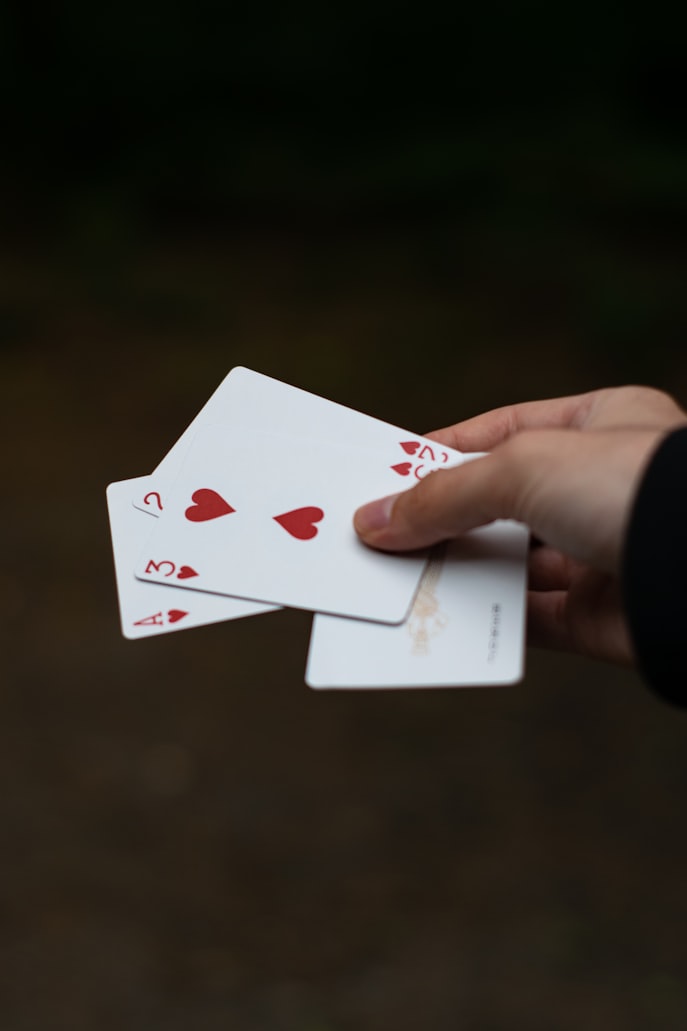
However, the role of luck extends beyond mere chance; it also shapes how players approach their gambling experiences. Many gamblers develop superstitions or rituals that they believe influence their luck. These practices can range from carrying a lucky charm to choosing specific times to gamble. While these actions may seem irrational to outsiders, they can provide psychological comfort and foster a sense of control in an otherwise unpredictable environment.
Despite its significance, luck can be a double-edged sword. While it can lead to substantial wins, it can also result in devastating losses. Players often find themselves trapped in cycles of hope and despair, fueled by the idea that their luck can change at any moment. This unpredictability makes it essential for gamblers to be aware of their limits and to approach gambling with caution, balancing the excitement of chance with the need for responsible play.
The Importance of Skill in Gambling
While luck plays a considerable role, skill is equally crucial in many gambling scenarios, particularly in games like poker or blackjack. These games require strategic thinking, emotional control, and an understanding of odds. Skilled players often outperform novices, leveraging their knowledge to make informed decisions that can significantly enhance their chances of winning. In this sense, skill acts as a counterbalance to the randomness of luck.
Understanding the probabilities and developing strategies can transform how players engage with these games. For instance, in poker, players must read their opponents and adapt their strategies based on the current game state. This ability to analyze and react is not something luck can provide. Instead, it emphasizes the importance of developing a sound strategy and making calculated decisions, which can lead to more consistent success over time.
Moreover, skill can help mitigate losses. Experienced players know when to fold, when to bet, and when to walk away, minimizing their risks. This strategic approach can lead to a more sustainable gambling experience. Ultimately, while luck may determine the outcome of individual hands or spins, it is skill that can shape a player’s overall gambling journey and success.
The Psychological Aspects of Gambling
The interplay between luck and skill in gambling also encompasses various psychological factors. Gamblers often experience cognitive biases that influence their perceptions of luck and skill. For example, the “gambler’s fallacy” leads players to believe that past events will influence future outcomes. This misconception can lead to poor decision-making and an overestimation of their ability to predict results based on previous experiences.
Additionally, the thrill of gambling often stems from the uncertainty of outcomes, which can create an adrenaline rush. This emotional high can sometimes cloud judgment, causing players to chase losses or gamble more than they intended. Understanding these psychological influences is vital for gamblers seeking to strike a balance between luck and skill. Awareness of cognitive biases can foster more rational decision-making, enhancing both the enjoyment and responsibility of gambling.
In recognizing the psychological elements involved in gambling, players can better navigate their experiences. By maintaining a balanced mindset and remaining aware of the distinctions between skill and luck, gamblers can develop healthier habits and strategies. This knowledge empowers them to appreciate the excitement of gambling while acknowledging the inherent risks involved.
The Ethics of Gambling and Skill vs. Luck
The ethical considerations surrounding gambling often spark debates about the balance of luck and skill. Many argue that games requiring skill should be viewed differently than games of pure chance. In skilled games, players can improve their chances through practice and strategy, leading to discussions about fairness and responsible gambling practices. The ethical implications are especially prominent when considering vulnerable populations who may be drawn into gambling without fully understanding the risks.
Furthermore, the regulation of gambling industries must take into account the distinction between luck and skill. Responsible gaming initiatives aim to educate players about the odds and consequences of gambling, promoting awareness and informed decision-making. By emphasizing skill-based gaming, regulators can foster an environment that encourages responsible play while still allowing for the enjoyment of chance-based games.
Ultimately, the ethics of gambling intersect with both luck and skill, requiring careful consideration from all stakeholders involved. A commitment to ethical practices can help ensure that gambling remains a source of entertainment rather than a destructive addiction. As the conversation around ethical gambling continues to evolve, understanding the roles of luck and skill becomes crucial for promoting a healthier gaming culture.
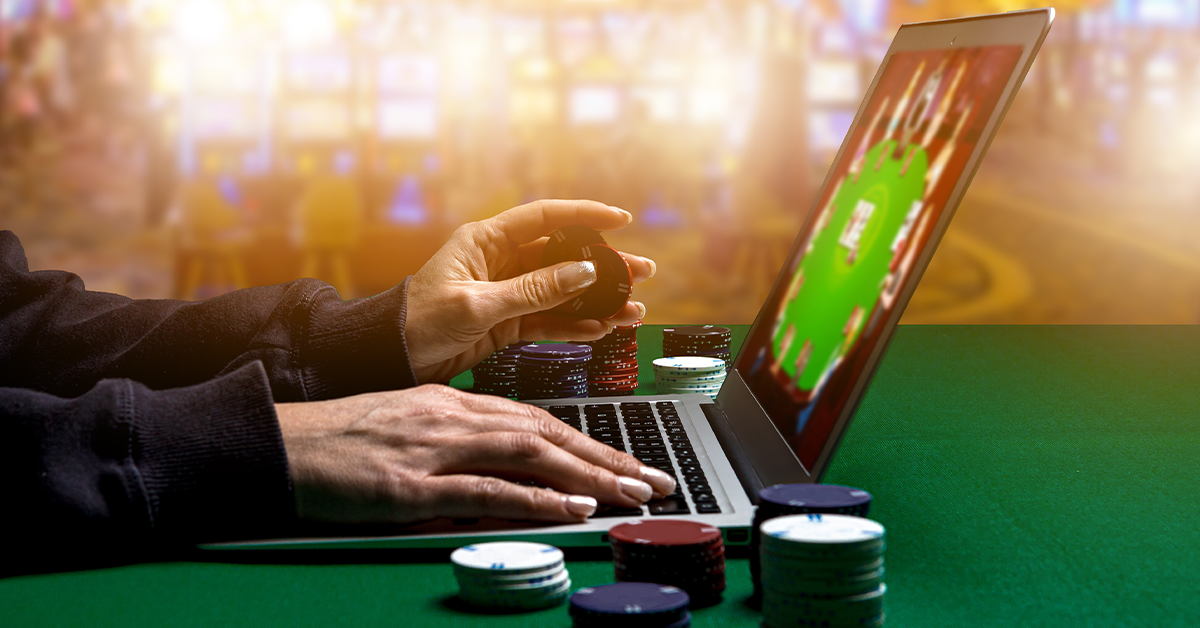
Conclusion: Finding Balance in Gambling
In conclusion, both luck and skill play vital roles in determining a player’s gambling fate. While luck can lead to unforeseen wins, skill can provide the tools and strategies necessary to navigate the complexities of various games. Acknowledging the influence of both elements allows players to approach gambling with a comprehensive understanding, enabling them to make informed decisions and enjoy their experiences responsibly.
Players must also remain aware of the psychological aspects that influence their gambling behaviors. By recognizing cognitive biases and emotional triggers, gamblers can develop healthier habits that align with both their enjoyment and responsible practices. Balancing luck and skill is essential for creating a sustainable gambling experience, enhancing the overall enjoyment while minimizing the risks involved.
As the conversation around gambling evolves, this website aims to provide valuable insights and resources for those looking to deepen their understanding of the balance between luck and skill in gambling. By fostering an informed community, we hope to promote responsible gaming practices that benefit all players.